E-copy important documents:
In addition to keeping physical copies of your key documents like passport, visa, itinerary, travel insurance, accommodation reservations etc., also have digital backups of them saved on your phone or on a cloud. If you’re travelling in a group, it’s worth emailing them to your friends. This way, even in case you lose any of your hard copies, you will still have digital backups when you require them. You can also keep a copy of the illnesses you suffer from as a health fitness tip so that someone helping you in an emergency gets to read it and provide timely medical intervention.
Notify your family:
It is simple to get caught up in the excitement that accompanies visiting new destinations. However, the one thing that you should never fail to do is keep your family informed about where you are. Inform them when you are leaving, where you are going, and when you will be back. With cheap local SIM cards and Wi-Fi coverage, this is easy. Keeping them updated can make it simpler to contact you in emergency situations. Have your immediate family members’ contact numbers and addresses so they can be contacted if needed.
Keep your money in a different place:
You can have one bag or pouch to keep all your essentials – documents, cash, proof of ID, etc. – but do not keep them all in the same location. Keep your money separate from the documents and store them in different bags. In case of theft, not all will then be lost. Another option instead of carrying money is to have a Forex card, which is more advantageous. Most importantly, make sure it has a temporary block/unblock facility for extra protection. Furthermore, in case you lose the card, you can even call the bank for an emergency cash pickup.
Keep maps and emergency telephone numbers:
When you’re going to a place you don’t know, it’s a good idea to download maps of the location and emergency contact numbers. Most of the time you won’t need them, but it doesn’t hurt to have phone numbers and maps available offline on your phone.
Buy Health Insurance:
Even if you are the safest of travelers, the chances of something going wrong – flights delayed/cancelled, medical situations, lost luggage etc. – are always present, resulting in unnecessary costs. You can easily prevent this from happening by purchasing a travel insurance policy. Such covers are provided by companies and even provide 24×7 emergency support, keeping you stress-free on your trip.
But prior to purchasing an insurance plan, discover the maximum insurance that is needed by the nation you are going to, along with other information, so that you can purchase the correct policy.
Conclusion
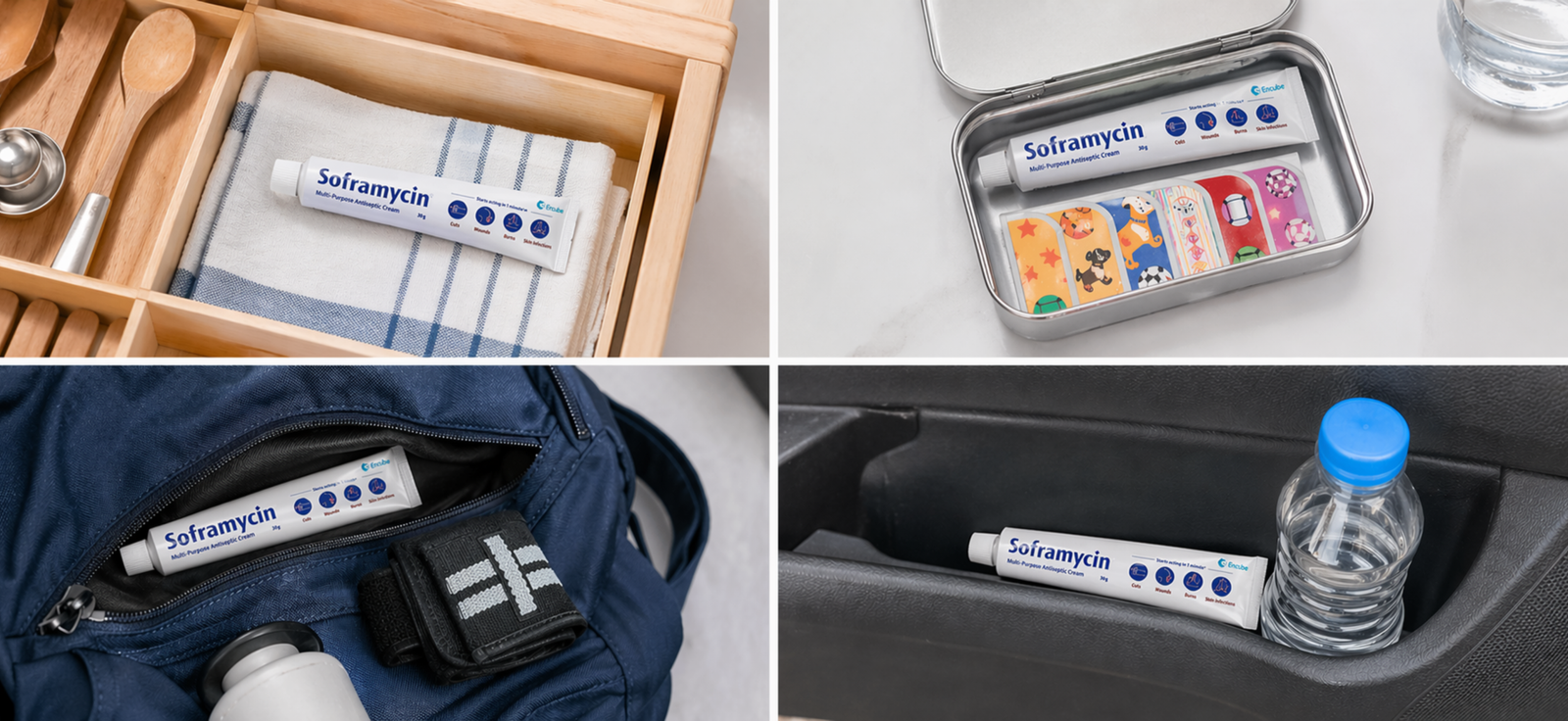
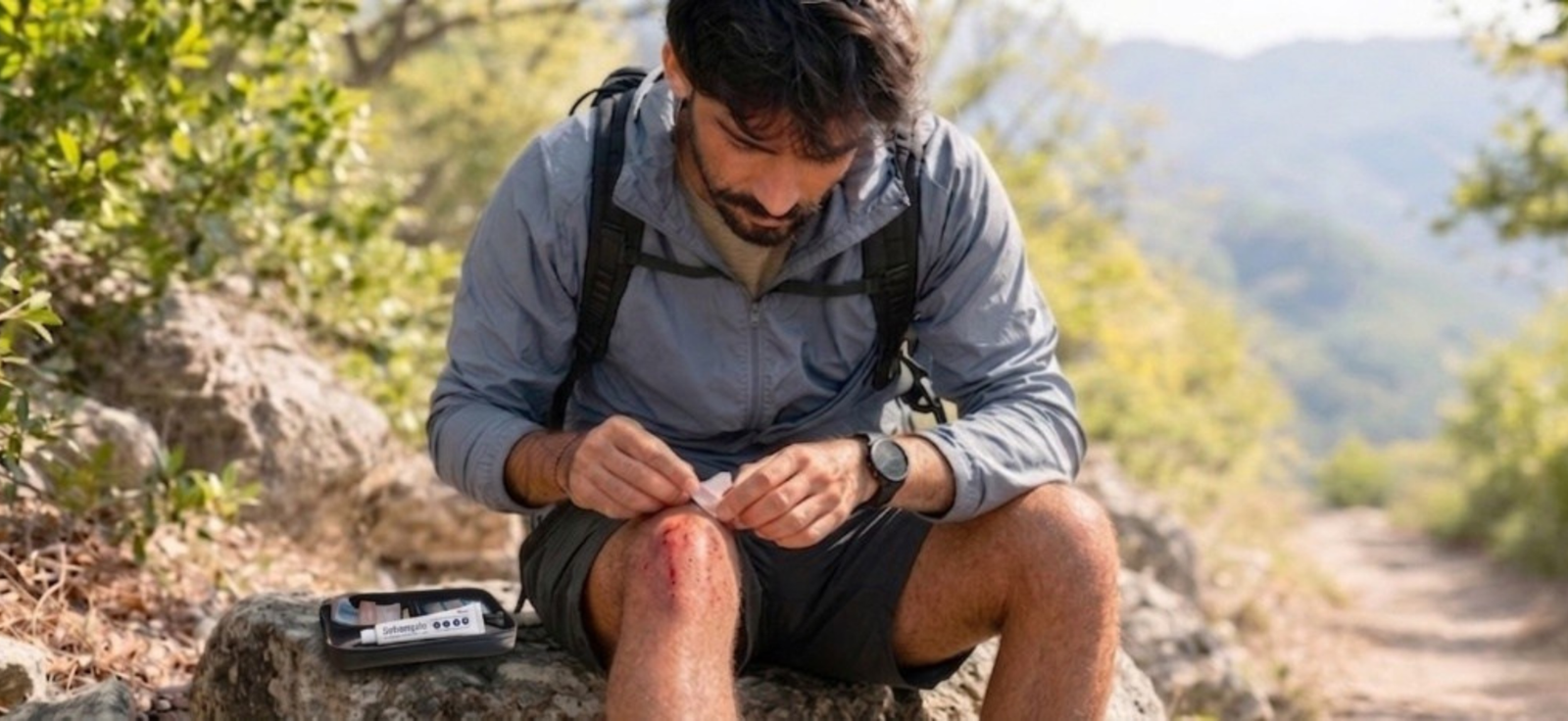
These travel safety tips will help you have a carefree trip. Don’t forget to carry a basic first-aid kit with essentials like a Soframycin antiseptic cream for minor cuts and wounds. A little preparation can go a long way in ensuring a safe and stress-free journey.