Injuries require people to wash and disinfect their wounds, because this process stops infections from spreading while it removes dirt and debris. The following sections explain how to clean a cut, how to clean a graze, and how using an antiseptic solution for wounds supports the healing process.
Cleaning Cuts
The skin sustains a tear, which results in a cut. A cut occurs through laceration that results from blunt force impact or through incised wounds when sharp objects like knives or glass cut into the skin. A bite injury can also be considered a type of cut.
The first step for treating minor cuts requires you to stop all current bleeding. Knowing how to stop a cut from bleeding before cleaning is an important part of proper wound care. The second step requires you to apply pressure through a clean cloth, gauze, or bandage. The third step requires you to raise the cut above heart level. Once bleeding stops, you can begin cleaning a cut at home to eliminate germs and foreign objects.
If you’re wondering how to clean a wound at home safely without causing irritation or infection, following the right steps is crucial.
Begin the procedure by flushing the area with warm water, clean tap water, or sterile water. This helps remove dirt and debris from the wound. You can use soap and a soft washcloth to clean the skin around the cut, but try to keep the soap out of the wound itself. Proper rinsing is an important step in disinfecting a wound.
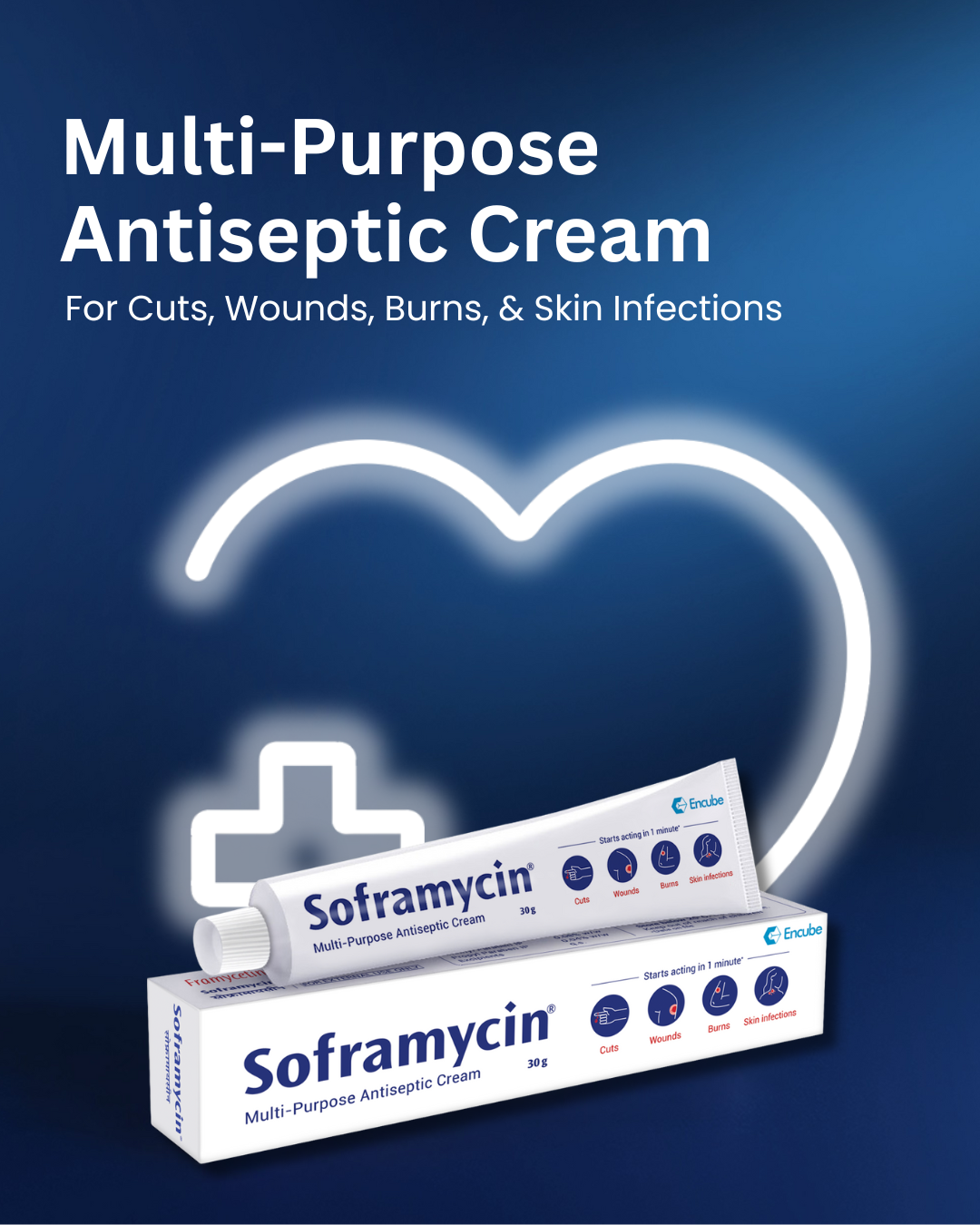
After cleaning the cut, apply an antiseptic solution to reduce the risk of wound infection. Products like Soframycin Antiseptic Cream may be used for minor cuts and scratches to help prevent bacterial growth.
After applying antiseptic, cover the wound with a sterile, non-stick dressing. The dressing helps maintain wound cleanliness while protecting the healing area. Keeping the wound covered supports faster wound healing by maintaining moisture.
If your cut does not stop bleeding, appears deep, or has open edges, seek medical attention immediately.
Cleaning Grazes
A skin graze or abrasion appears when the surface layers have been scraped and broken, usually by friction against a rough surface. Areas like elbows and knees are more prone to grazes. Knowing how to clean a graze properly helps prevent infection and speeds up healing.
Start by rinsing the graze under clean running water. Use sterile gauze to gently wipe away visible dirt. Avoid scrubbing aggressively, as it can damage healing tissue and increase the risk of infection.
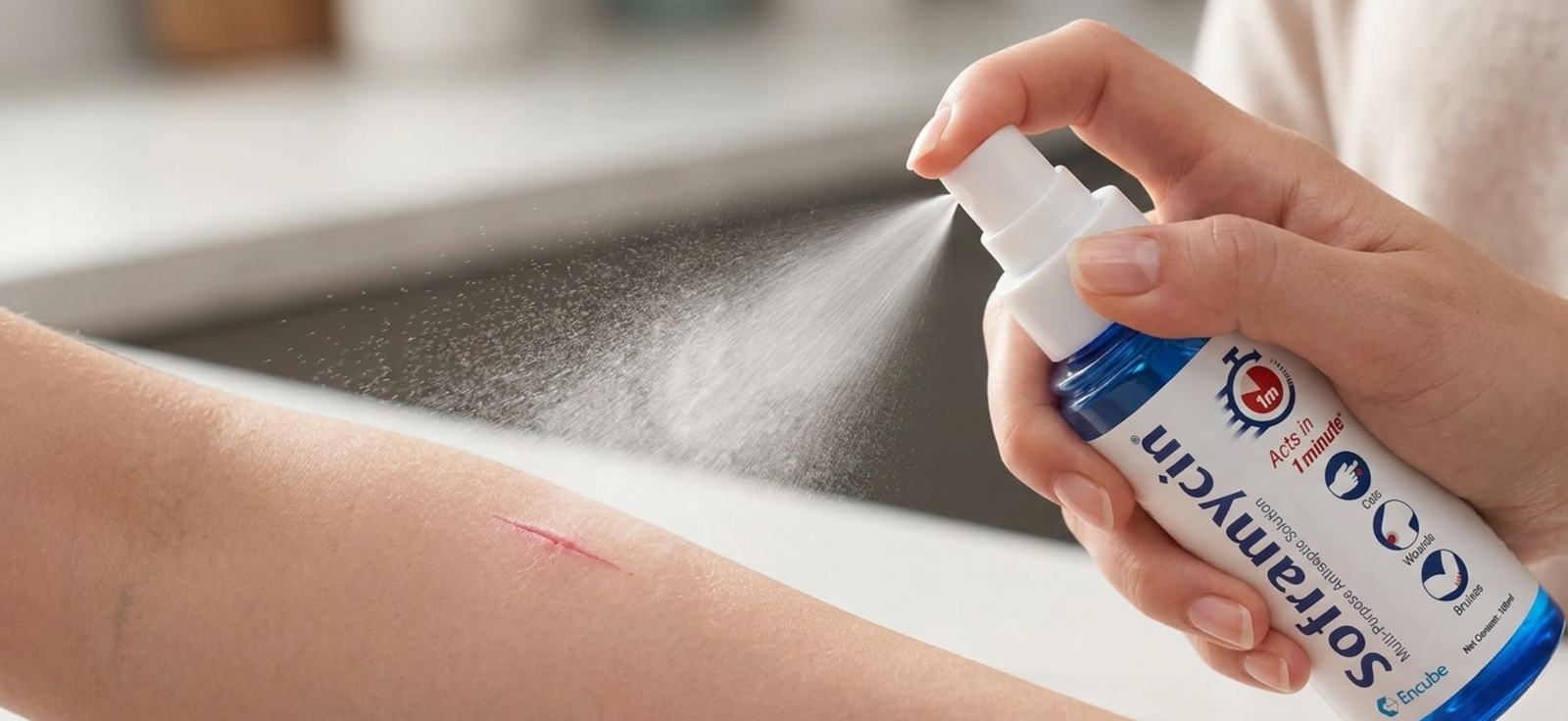
After cleaning, apply an antiseptic solution for cuts and grazes to disinfect the area. Once done, cover it with a sterile, non-stick dressing to protect the wound from contamination.
Seek medical attention if the graze is deep, covers a large area, or continues bleeding.
Reducing the Risk of Infection
Our skin acts as a natural barrier against germs. When a wound occurs, bacteria can enter the body and cause wound infection. Proper wound care at home significantly reduces this risk.
Common signs of infection in a wound include:
- Redness or swelling
- Increasing pain
- A bad odour from the wound
- Pus or unusual discharge
- Warm skin around the wound
- Fever, chills, nausea, or vomiting
If you notice any of these symptoms, consult a doctor immediately.
To reduce the risk of infection:
- Wash your hands before touching the wound
- Use disposable gloves if available
- Apply an antiseptic before dressing the wound
- Avoid touching the inside of the bandage
- Change dressings regularly
When Should You See a Doctor?
Seek medical help if:
- The cut contains dirt or debris that cannot be removed.
- The wound is deep, large, or gaping.
- Bleeding does not stop after applying pressure.
- The wound is near the eyes.
- The injury was caused by an animal or human bite.
- The cut occurred in dirty or contaminated water.
These situations may require professional medical care.
How To Clean a Wound?
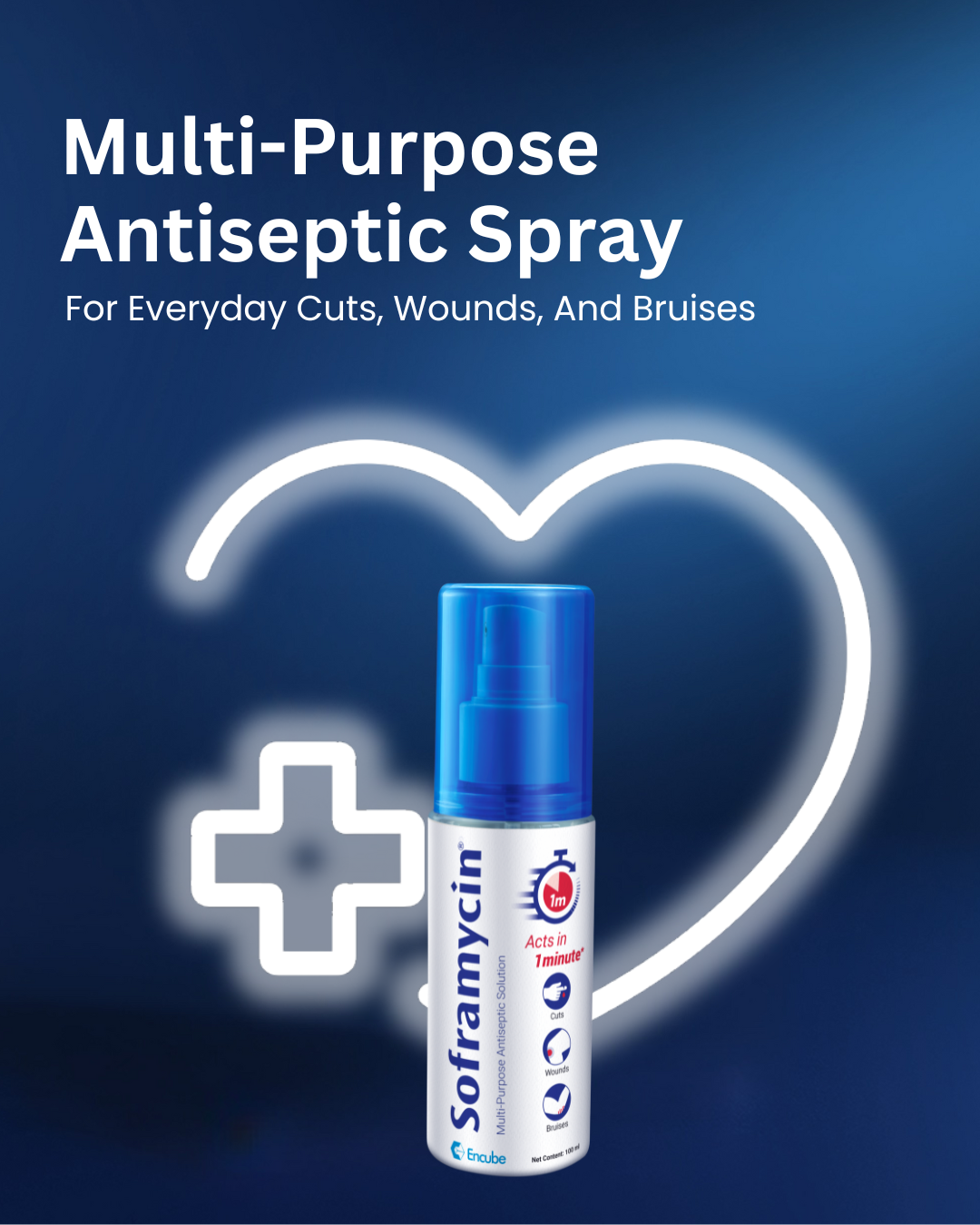
Antiseptic solutions for wounds provide an effective method to clean cuts and scratches because they create a protective barrier against infections. The two ready-to-use options include Soframycin antiseptic cream and Soframycin multipurpose antiseptic Solution. The solution needs to be directly applied to the wound because it prevents any infections from spreading. The excess solution needs to be removed through cotton wool or a tissue.
Wound Healing Tips
Your body begins the wound healing process immediately after injury. A blood clot forms first, followed by white blood cells that remove bacteria and debris. New skin cells then develop and close the wound.
You can support faster healing by:
- Keeping the wound covered with proper wound dressing, as this maintains warmth and moisture for better recovery.
- Eating foods rich in Vitamin C, Vitamin A, zinc, and copper. These nutrients help in skin repair and collagen formation.
- Engaging in light exercise (if advised by your doctor), which improves blood circulation and supports healing.
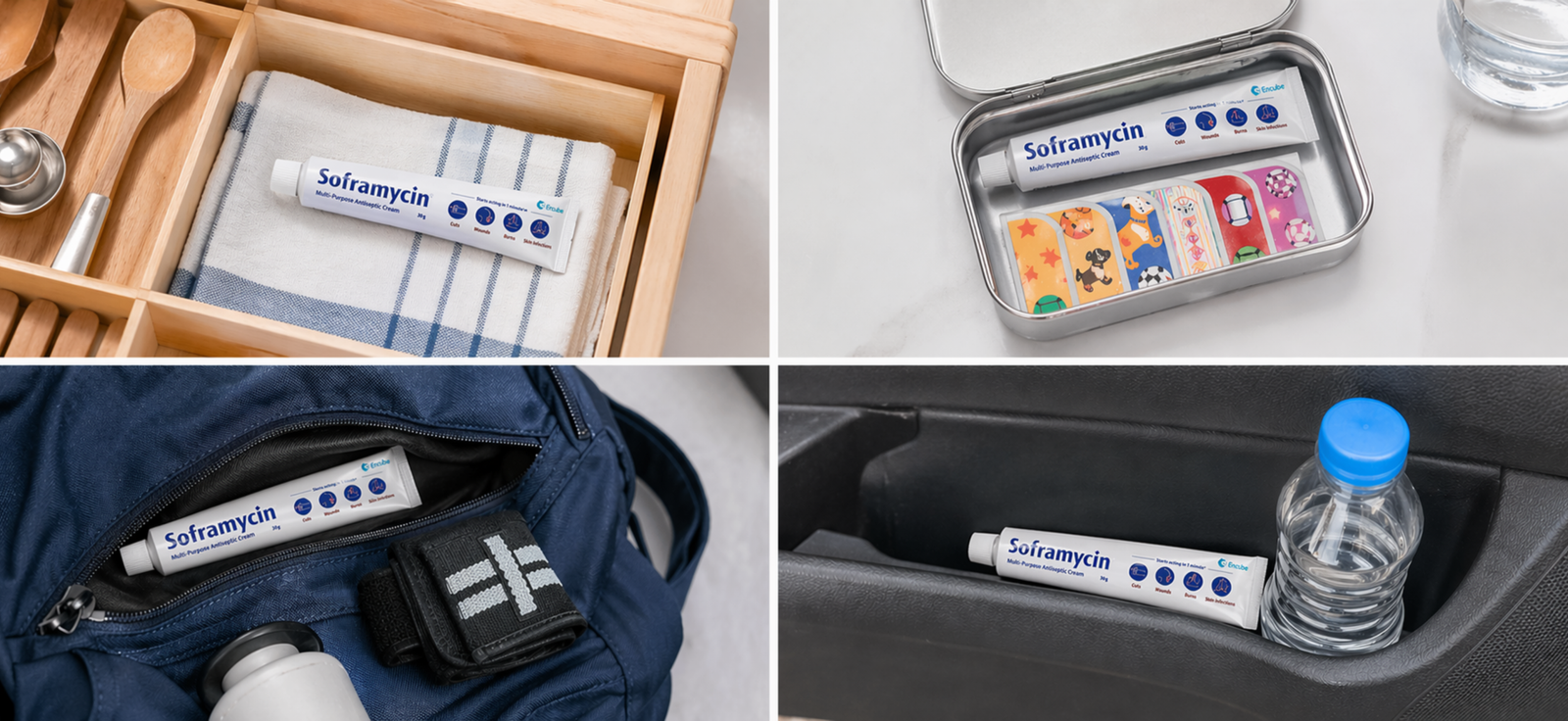
Knowing how to clean a wound at home properly can reduce the risk of infection and support faster healing. Including an antiseptic like Soframycin in your first aid routine helps with minor wound treatment at home.