What are antiseptics?
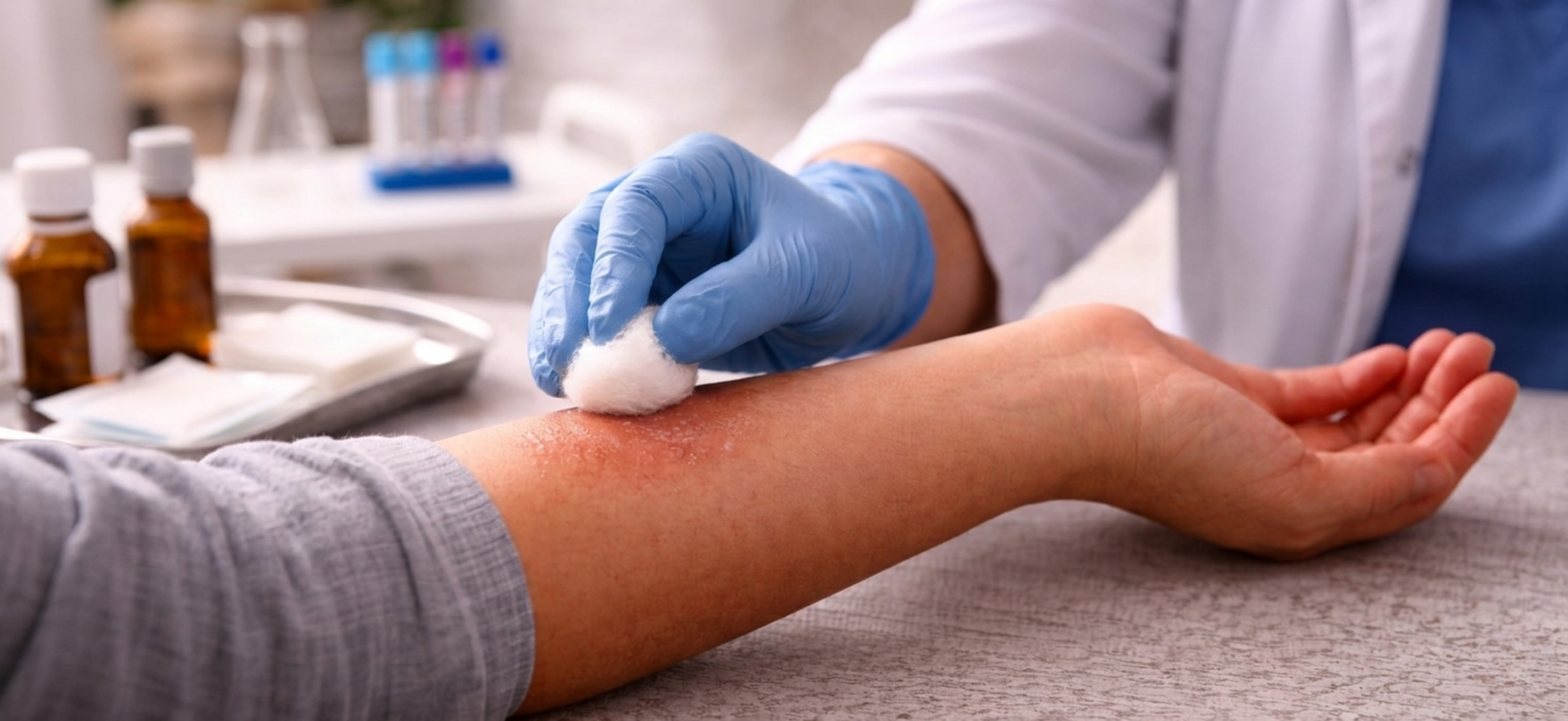
In order to understand what an antiseptic is, we will see its definition and uses. Antiseptics are the chemical substances used in clinics, hospitals, and households as common remedies in the prevention or stoppage of the growth of microorganisms, mainly bacteria and fungi. These are applied on wounds or directly on the skin.
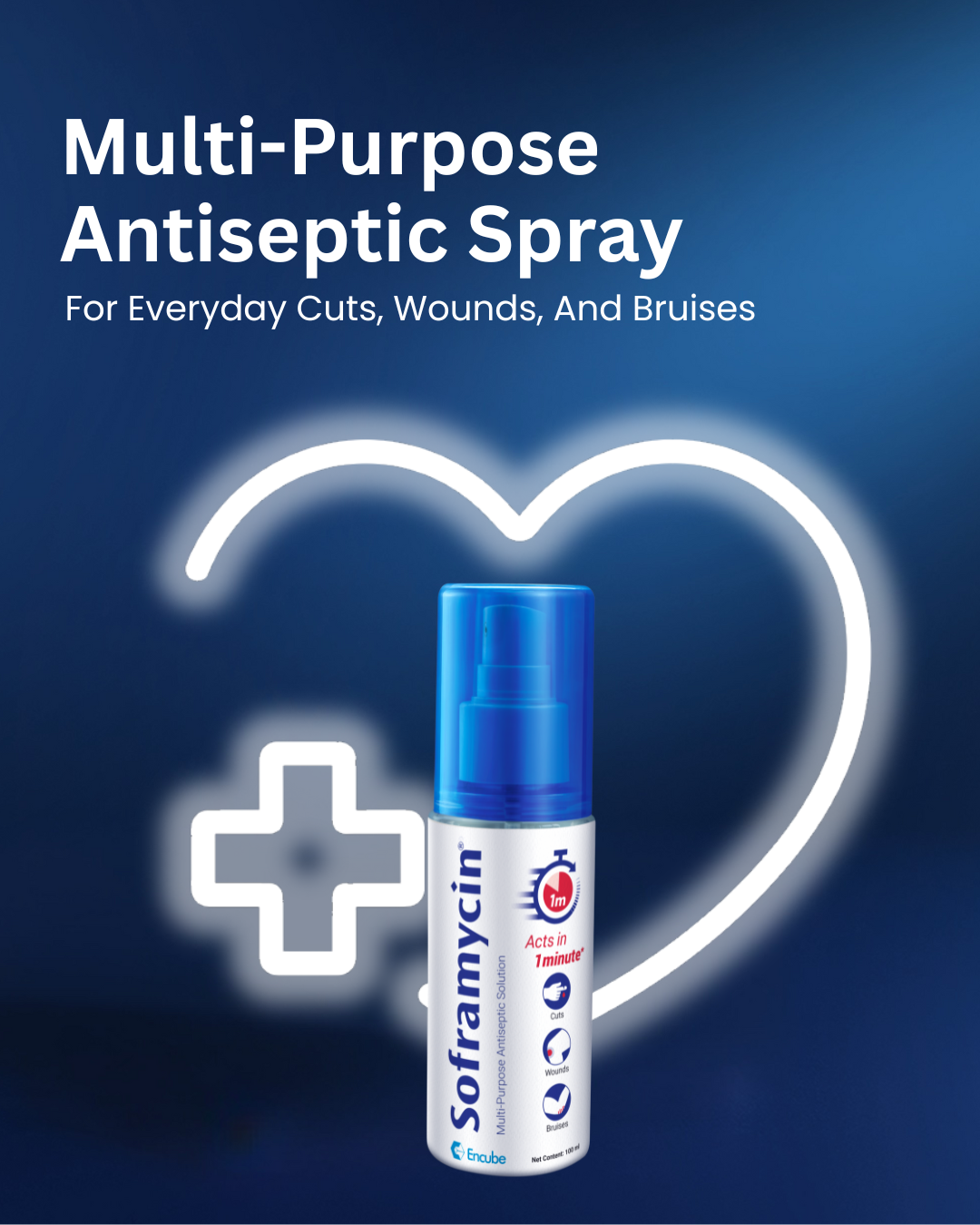
Before any surgical intervention, antiseptics are always used by doctors as they help prevent infection on the skin. In turn, over-the-counter antiseptics are available for treating minor lesions and infections on one’s own at home. If you are searching for one, you can rely on antiseptic products, including the Soframycin antiseptic cream and spray, which are available over the counter.
Types of antiseptics available
There are several antiseptic types, depending upon their chemical nature. Few of the common types of antiseptics along with examples are given as under:
- Chlorhexidine and other diguanides:-
It is utilized for wound treatments, bladder irrigation, and skin disinfection before surgery. Example: chlorhexidine gluconate.
- Quaternary ammonium compounds:-
These are utilized in the disinfection of skin. Example: Benzalkonium chloride and Dofanium chloride.
- Antimicrobial dyes:-
These are normally used in the treatment of wounds and burns. Example: Crystal violet and brilliant green.
- Iodine compounds:-
These are primarily used in the treatment of wounds and skin disinfection. Example: Povidone iodine.
- Peroxides and permanganates:-
These are used for mouthwash and washing open wounds. Example: Hydrogen peroxide solution and potassium permanganate solution.
Uses of antiseptics
What are antiseptics? They are anti-infective solutions that are quite helpful in keeping the skin and mucous membrane free of any infection. They are used in the following conditions:
- To treat cuts, wounds, and skin infections.
- It is also used to cleanse a specific area on the skin to prepare it for a surgical procedure.
- To clean hands before surgery. Healthcare professionals always use an antiseptic hand rub for the removal of germs in order to minimize infection.
How safe are they?
Using antiseptics without knowledge is detrimental. If you have a small cut, a minor burn, or a mild infection, you may apply it for no longer than seven days. Certain antiseptic solutions are prepared with strong chemicals that may burn the skin or bring serious irritation. Never use antiseptics which are not available as OTC products and use them only in the way your doctor advises. Follow the label carefully.
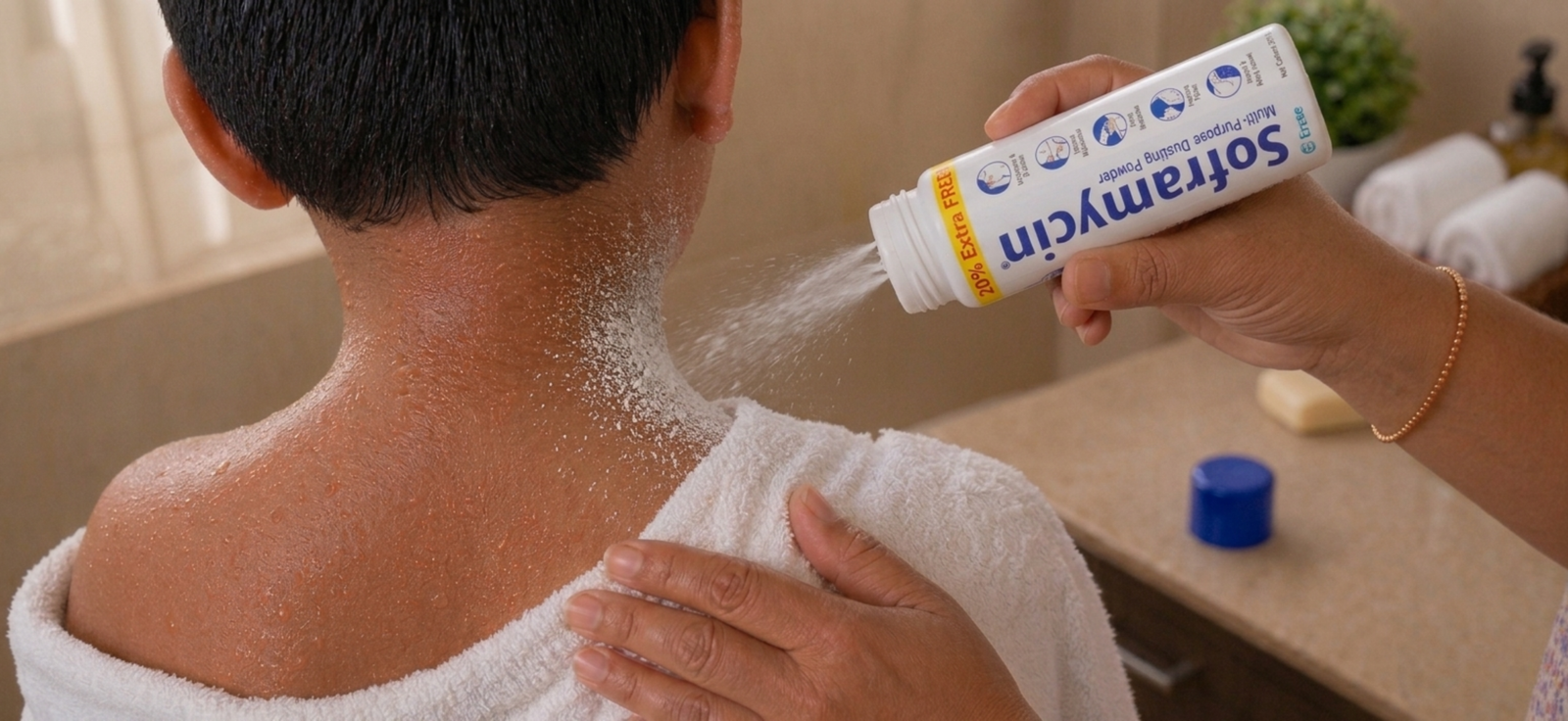
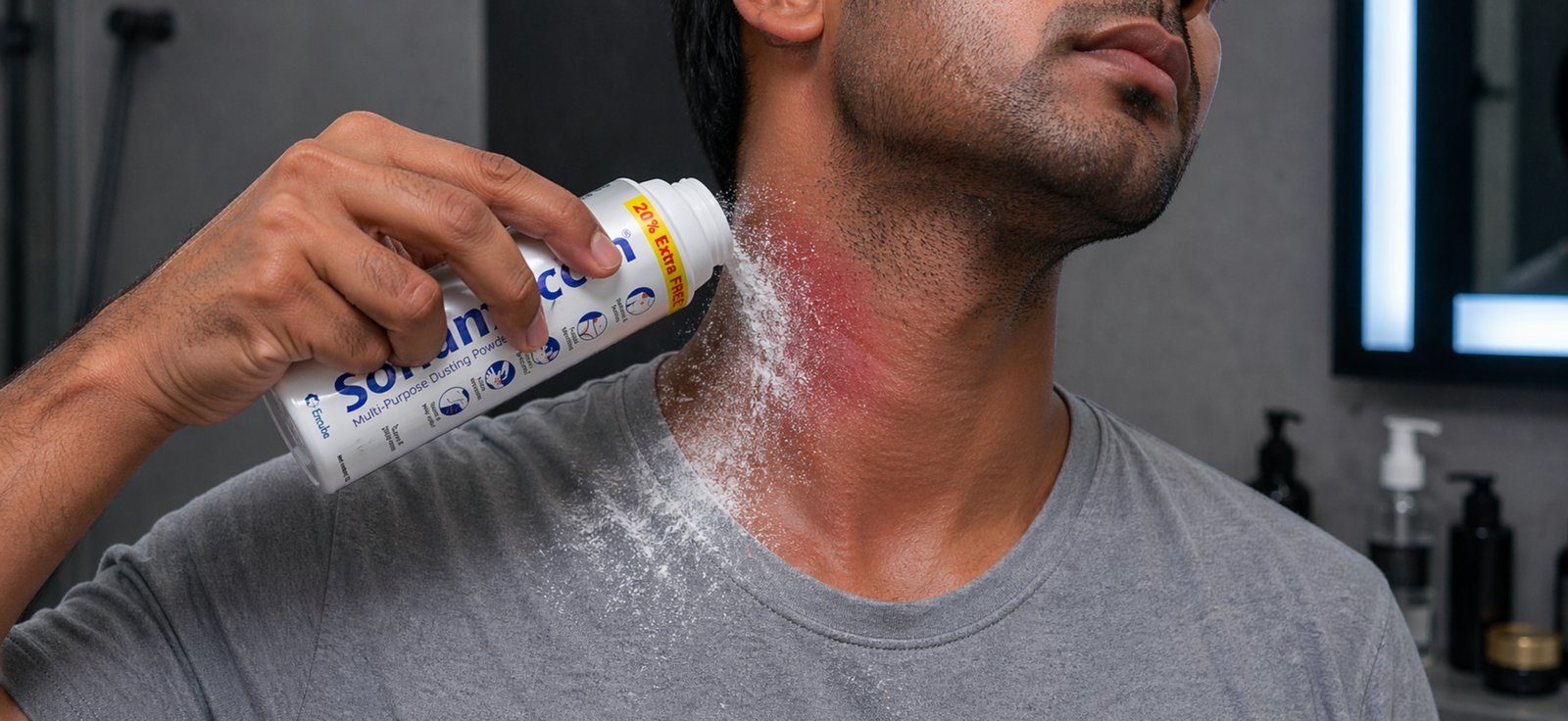
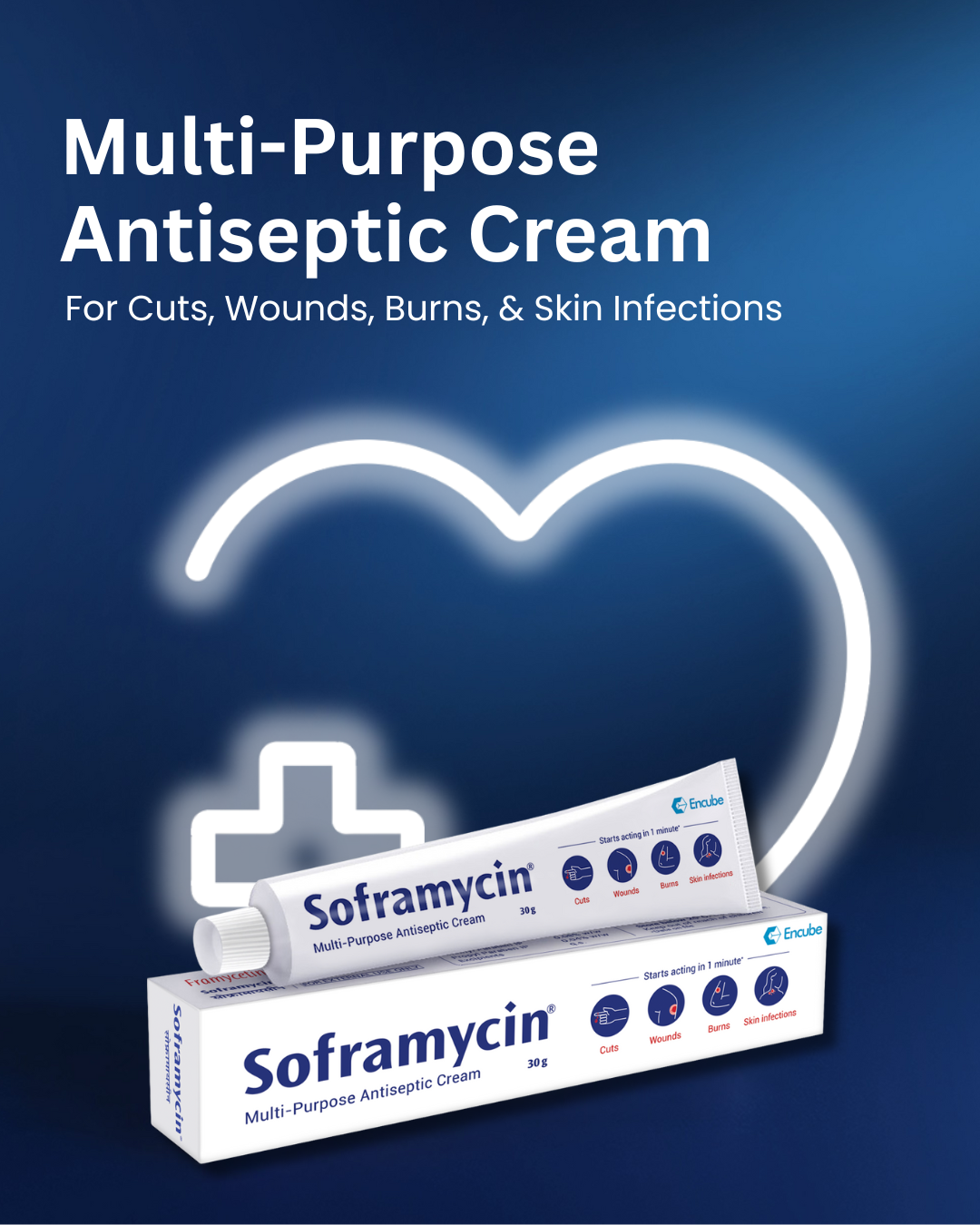
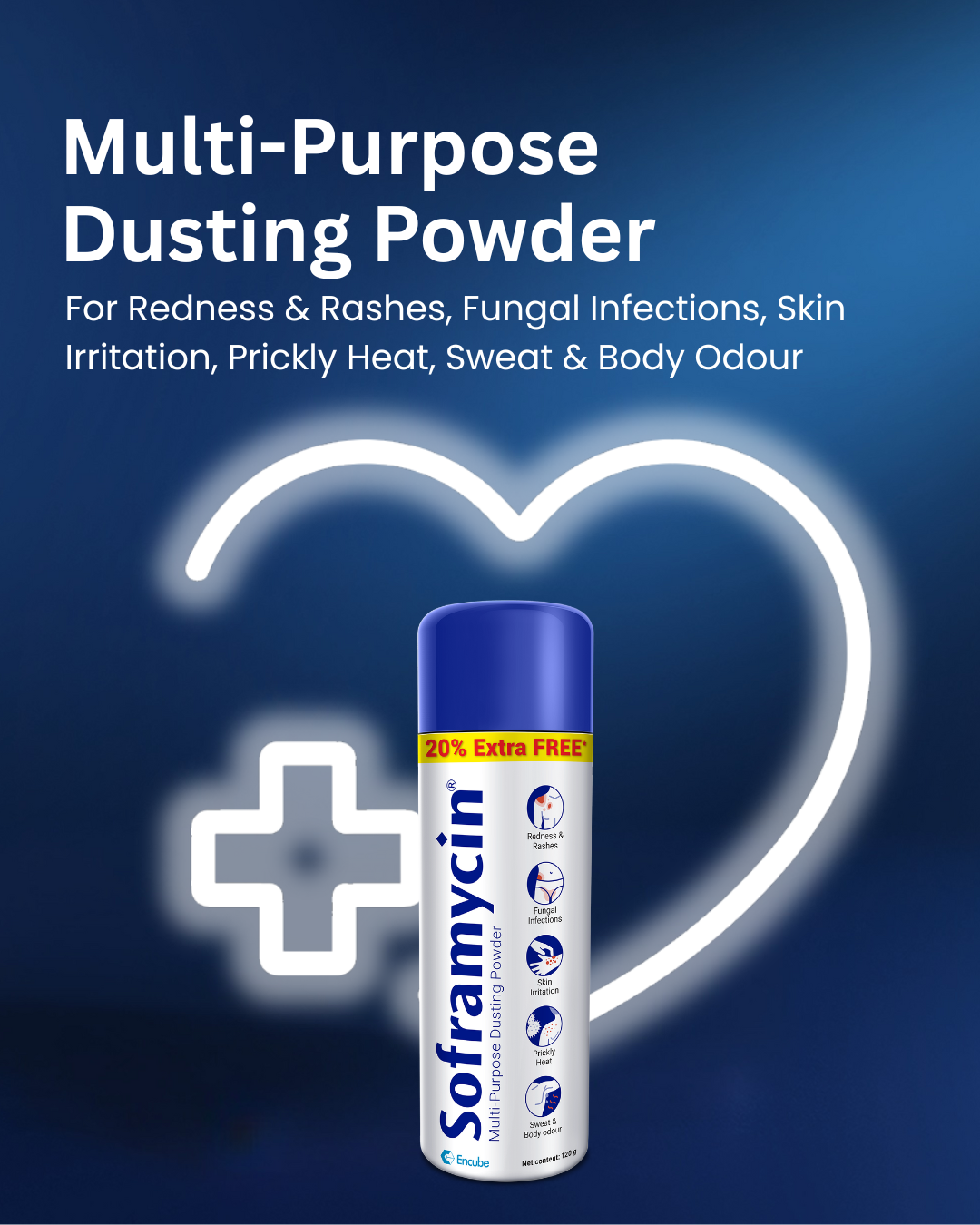
Several products are available in the market which you can use for preventing infections. One such product is Soframycin. Read the ingredients of Soframycin antiseptic products carefully before buying. Soframycin skin creams help treat infected wounds, burns, and prevent infection in minor skin injuries. The Soframycin antiseptic spray may help reduce the risk of infection in minor skin injuries. The Multipurpose Dusting Powder is the ideal product to relieve you from redness, rashes, prickly heat, skin irritation, fungal infections, and sweat and body odour.
Side effects of the use of antiseptics
Antiseptics may appear to be an over-the-counter medicine, but these, too, can cause side effects. For some people, the effects may be mild or none; others may have serious side effects. Be watchful of the following side effects when using an antiseptic and call your doctor if you notice:
- Skin irritation
- Reddening
- Swelling
- Itching or light burning
- Discolouration of the teeth is possible in antiseptics intended for mouth and throat infections.
In case of symptoms of allergic reaction to antiseptic use such as rashes, hives, difficulty in breathing, peeling skin, seek medical help immediately.
Precautions to be taken
Check the product label. Read instructions carefully and follow them accurately. Never swallow antiseptics. Do a patch test to rule out being allergic to the antiseptic solution. Use antiseptic only on clean, dirt-free skin. Avoid overusing the antiseptic and use only OTC antiseptics for seven days at most. For eye infections, large burns or wounds, and animal bites, do not use antiseptics. See your doctor instead.
Conclusion
By now, you must be well versed with what an antiseptic is and how it is used to curb the growth of microorganisms on wounds and skin that often lead to infections. We must use them diligently. You can rely on Soframycin antiseptic cream for cuts, wounds, and minor burns and Soframycin multipurpose dusting powder, one of the best products for relief from rashes. They help heal, protect, and care for your skin.