This guide explains what antiseptic creams are, how often they should be used, and the correct way to apply an antiseptic cream for cuts, burns, and skin infections.
What Are Antiseptic Creams?
Antiseptic creams are topical medicines that help prevent bacteria from growing on damaged skin and reduce the risk of wound infection. They help kill bacteria and fungi while also eliminating certain viruses that may exist on human skin surfaces. They are commonly used to treat:
- Minor cuts and abrasions
- Small thermal injuries or minor burns
- Insect stings and bites
- Minor post-surgical wounds
- Initial skin infections
Using an antiseptic cream for skin infections helps keep wounds clean and protected during recovery.
Benefits of Using Antiseptic Cream for Wound Care
When the skin breaks due to a cut or burn, germs can easily enter the wound. An antiseptic cream for wound care creates a protective barrier that prevents wound infection while keeping the wound clean during its healing process. When used properly, it can help:
- Lowering the chances of infection
- Maintaining the cleanliness of the wound area
- Supporting quicker skin healing
- Reducing swelling, redness, and pus formation
The timing of antiseptic treatment directly impacts how quickly a wound will heal.
How to Apply Antiseptic Cream for Wound Care Safely (Step-by-Step)
Effective wound care at home requires following these necessary steps:
- Cleaning the wound
Rinse the area with clean water to remove dirt and debris before applying any antiseptic cream. You can also follow a detailed guide on how to clean a wound at home to ensure the wound is properly prepared before treatment.
- Drying the skin
Dry the area gently using a clean cloth or sterile gauze.
- Applying a thin layer of antiseptic cream
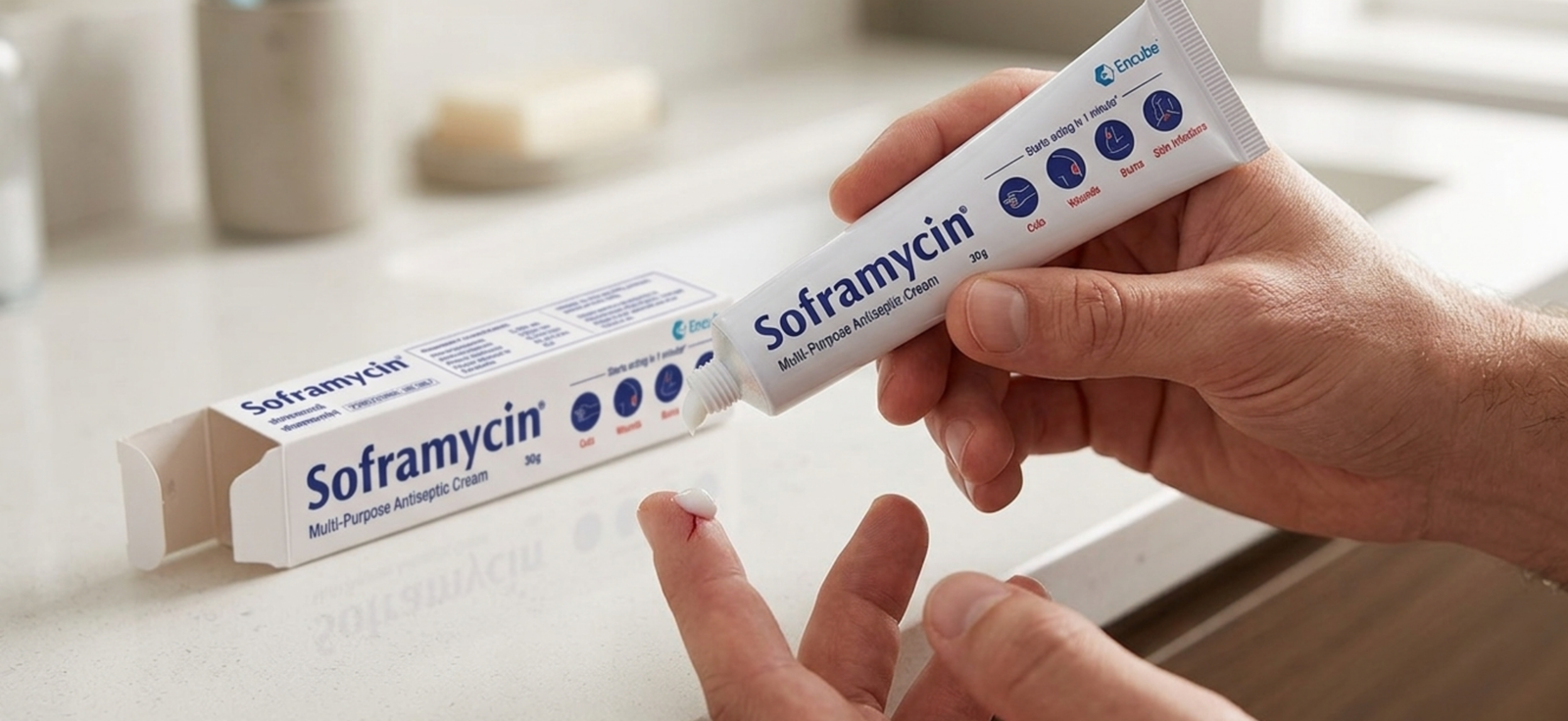
Use clean hands or a cotton swab to apply the antiseptic cream for wound care. Usually, a thin layer is enough to protect the wound.
- Covering if necessary
Use a clean bandage to protect the wound if it is exposed or at risk of contamination.
- Reapplying as advised
Apply the cream once or twice daily, according to the product’s usage guidelines. Always follow the instructions on the label.
Safety Tips to Keep in Mind
- Antiseptic cream should never be used on large, deep, or heavily bleeding wounds.
- Ensure the antiseptic cream does not come into contact with the eyes unless the manufacturer permits it.
- Discontinue use if you experience skin irritation, redness, or itching.
- Store the antiseptic cream out of reach of children.
- Do not use the product after its expiration date.
Those with sensitive skin should select a mild formula and conduct a patch test before full application.
Choosing the Right Antiseptic Cream
Selecting the right product is essential for minor wound treatment and overall wound care effectiveness. When selecting the best antiseptic cream for cuts and wounds, consider:
- The type of wound you’re treating
- Your skin sensitivity
- The product’s method of application
- Trusted manufacturers known for quality healthcare products
Always follow the label instructions for safe and effective use.
When Should You See a Doctor?
Contact a healthcare professional if:
- The wound becomes redder, swollen, or more painful
- There is pus or a bad smell
- The pain increases instead of improving
- A fever develops
- The wound does not heal after several days
Antiseptic creams are effective for minor wounds, but they should not replace professional medical care when necessary.
Final Thoughts
Antiseptic creams are essential for basic first aid and everyday wound care management. They help prevent infection, promote healing, and stop minor injuries from developing into more serious conditions. Proper wound cleaning, correct application of antiseptic cream, and timely medical attention allow most minor cuts, burns, and skin infections to heal safely.
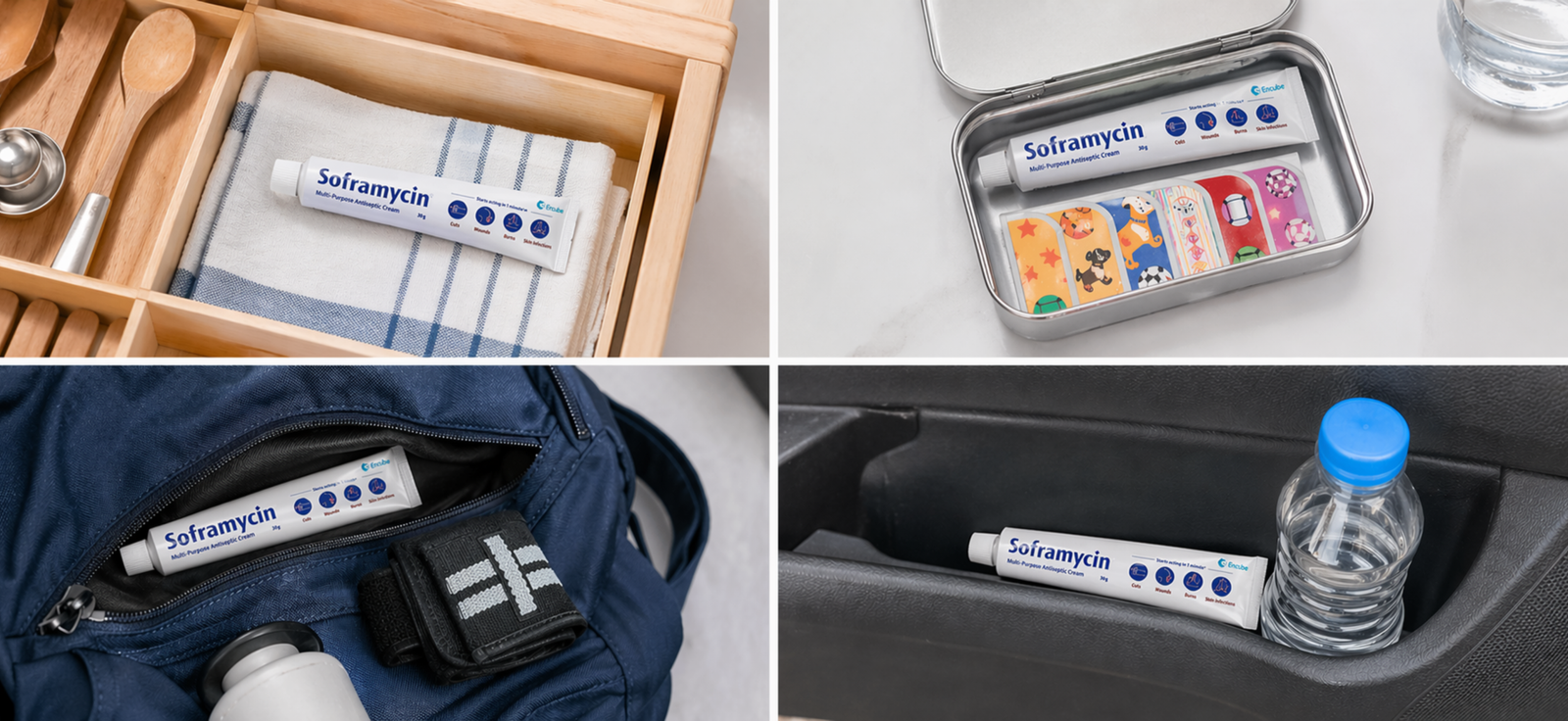
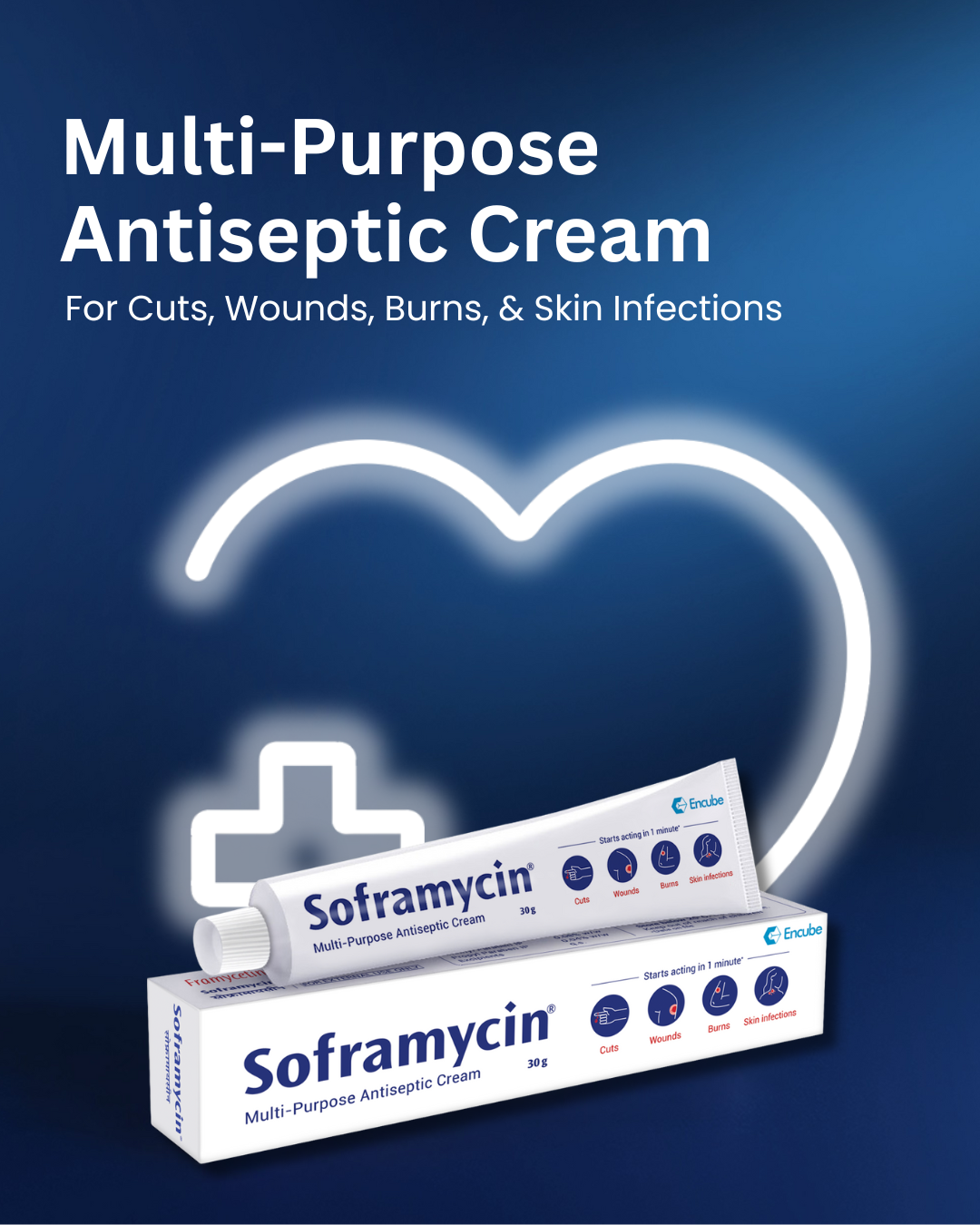
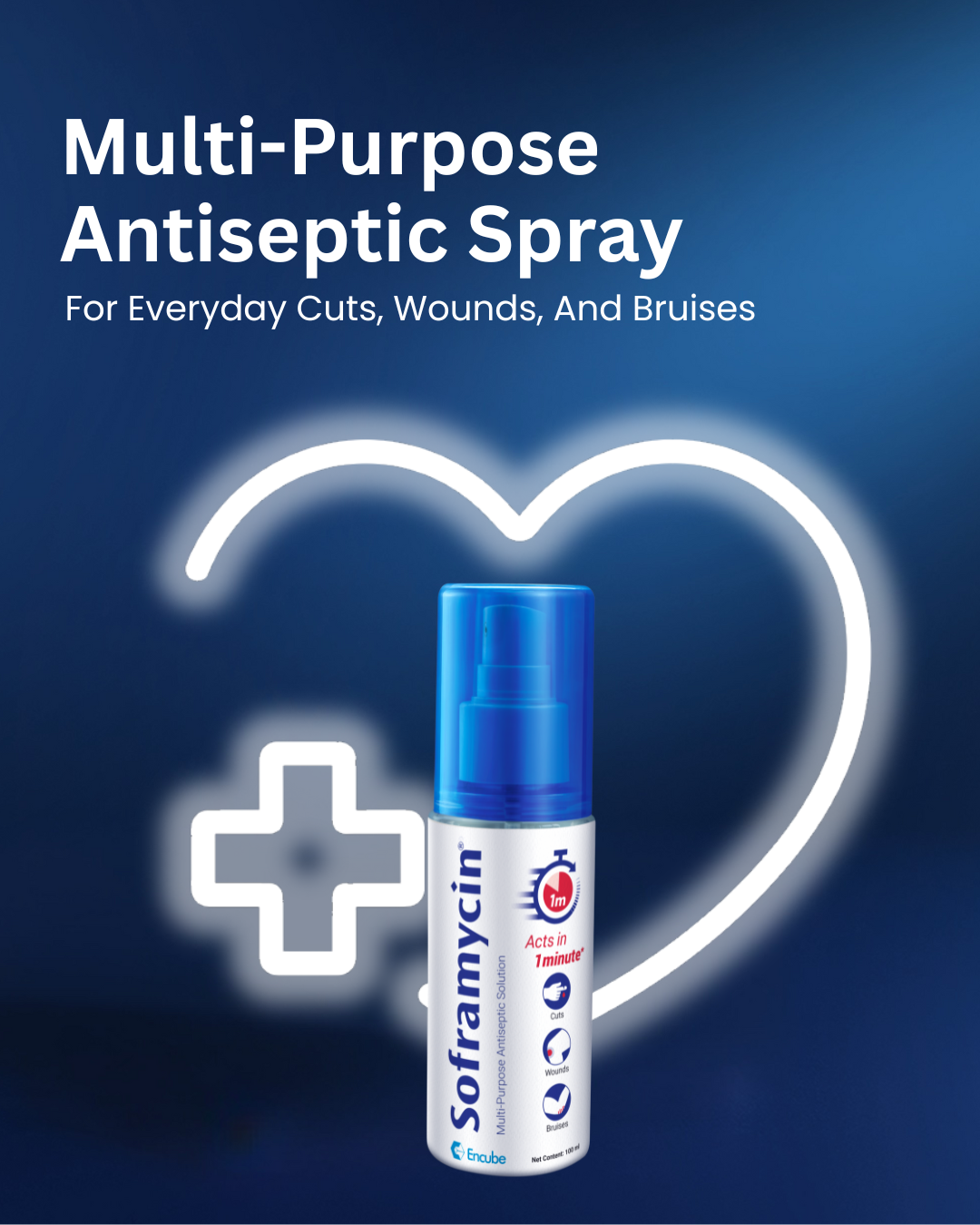
For everyday minor injuries like cuts, burns, and skin infections, products such as Soframycin Antiseptic Cream can help protect the wound and support healing. Including it in your first aid kit ensures you are prepared for everyday minor injuries.